

As Speka writes, small businesses often run into the same problem: the clicks are there, the followers are there, but sales are almost nonexistent. The owner’s first reaction is easy to understand: the ads must be failing.
We wouldn’t rush to write them off. If someone clicked, it means they were at least a little interested. And then things can break down on the landing page, in the inquiry form, in the messages, in response time, or in the way the offer is explained. This is not a claim about a specific case, but a practical logic that shows up clearly in any business with paid traffic.
Imagine an online store. The ad brings someone to a product page, but the page doesn’t make it clear how much delivery costs, when the order will arrive, or what to click next. Or take a clinic: a patient leaves a request, but the administrator responds only a few hours later. For the owner, that can look like weak advertising. For the customer or patient, it’s simply an inconvenient path, one that’s easy to abandon.
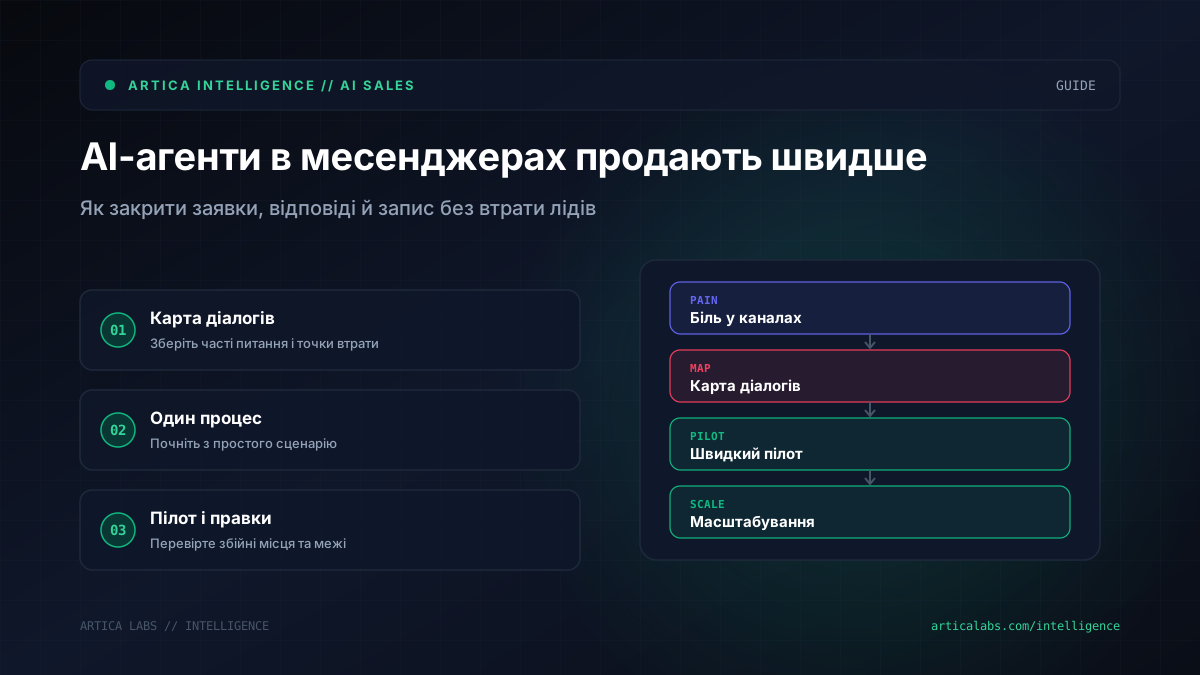
What should you do? Don’t shut down campaigns in a panic. First, walk the customer journey yourself: click the ad, open the page on your phone, try to submit a request, write in a messenger, and see who responds and how quickly.
And that’s where things get interesting. Very often, the problem isn’t in the ad account, but somewhere between the click and the conversation with the manager. The lead got lost. The form is clunky. The message arrived after hours, and nobody set up a reminder. For the business, these are small details; for the customer, they’re a reason not to buy.
In situations like this, teams should bring in analytics and automation without going overboard. For example, log every lead in a CRM, set reminders for managers, and track where people drop off. AI can help too: answering common questions faster or flagging conversations that were left unfinished.
Advertising brings attention. Sales are born after the click: on the page, in the messenger, on the call, in the speed of the response. That’s often where the real answer is hiding to why the clicks are there, but the cash register still isn’t seeing much of an uptick.